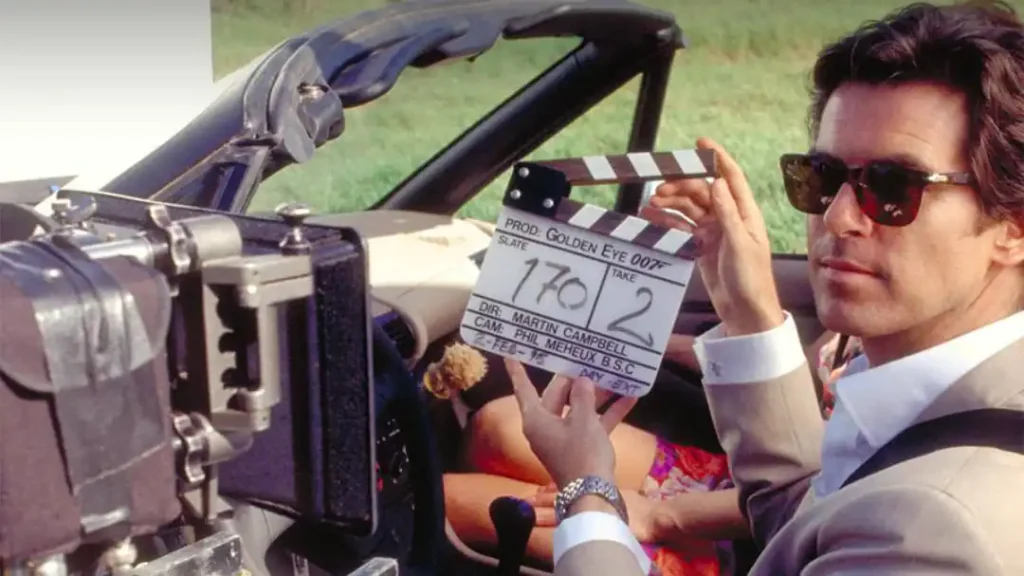
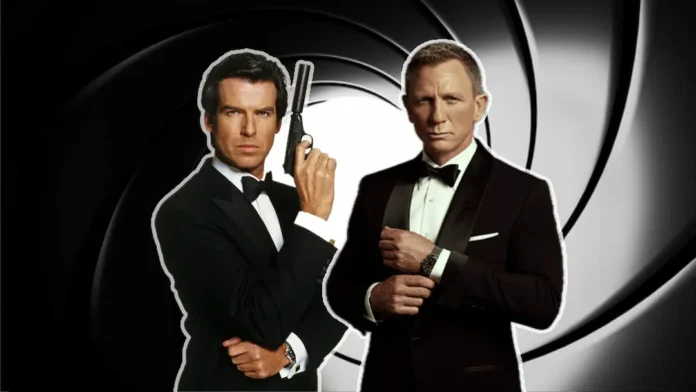
Between 1997 and 2021, Pierce Brosnan and Daniel Craig took James Bond in radically different directions. This article ranks every Brosnan and Craig Bond film from worst to best.
Across nine films and two very different actors, 007 shifted from post-Cold War blockbuster confidence to something far darker, heavier, and more introspective. What began with Pierce Brosnan’s slick, self-assured debut in GoldenEye ended with Daniel Craig’s emotionally final farewell in No Time to Die. In between, Bond lost his footing more than once.
This companion article ranks every Brosnan and Craig Bond film from worst to best, using the same S-Tier to F-Tier system discussed in the podcast episode.
Each film is examined in context, weighing ambition against execution, tone against identity, and reinvention against overcorrection. This isn’t an attempt to settle the Bond debate. It’s an attempt to structure it. Because if the last 25 years prove anything, it’s that Bond doesn’t fail when he changes. He fails when he panics.
You can listen to the show wherever you get your podcasts or above in our handy embedded player.
#9 E-Tier – Die Another Day
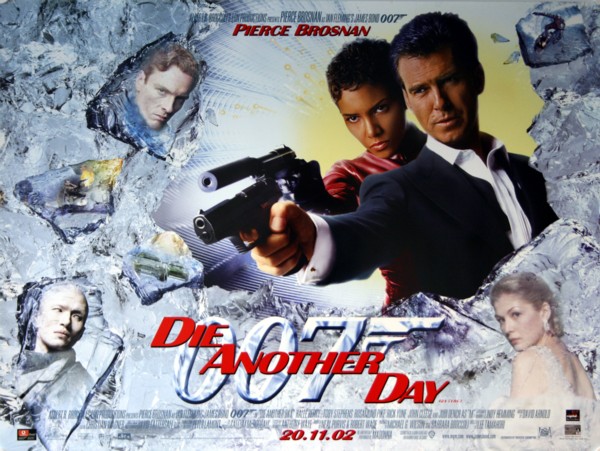
This is where the franchise collapses under its own weight. In the podcast episode there is no hesitation, no hedging, no softening.
“It’s the lowest you can go. Just awful.”
“I have no desire to watch it again. None.”
The conversation frames Die Another Day not just as a bad Bond film, but as the moment Bond stops functioning as a character.
Invisible cars, CGI surfing, and cartoon villains turn spectacle into embarrassment. Brosnan, once confident and assured, is visibly stranded in a tone that no longer understands him. And with a Madonna theme song that is the worst of the franchise, too.
This isn’t excess. It’s panic. The film tries to outdo The Matrix and early-2000s blockbusters instead of trusting its own identity. The result is a movie that forces the franchise to reboot simply to survive.
Did You Know: The book that 007 picks up from the Cuban sleeper, along with a revolver, is “A Field Guide to Birds of the West Indies”, written by James Bond. Ian Fleming, an avid birdwatcher, named Bond after the author. (imdb)
READ LATER: Bond Directors Ranked!
#8 D-Tier – Quantum of Solace

This is treated as a film shaped more by circumstance than intent. While not despised, it’s clearly viewed as broken.
The podcast episode repeatedly frames Quantum of Solace as unfinished. A sequel that reacts instead of develops.
“I really like the continuation, which not a lot of people do. But it loses its way a bit for me and you can tell that they were sort of making it up as they go.”
Craig’s Bond remains compelling, but the storytelling never catches up. Scenes blur together, emotional beats land without space and the villain barely registers. Coming so quickly after Casino Royale, it feels like a continuation that didn’t have time to become its own thing.
There’s sympathy here, but not forgiveness.
Did You Know:
This movie marks the first time since You Only Live Twice (1967) that Bond does not introduce himself with the catchphrase “Bond, James Bond.” The line was shot for several different scenes, but was completely cut out, as director Marc Forster and the producers found it unnecessary. (imdb)
#7 C-Tier – Spectre

This is where the Craig era starts believing its own mythology.
“I was expecting big things (with Christopher Waltz cast as Blofeld). It was ultimately disappointing. He could have been a good Blofeld, but it just didn’t line up.”
The frustration isn’t that Spectre is dull. It’s that it actively diminishes what came before it. Retroactively connecting villains and organisations drains mystery and turns coincidence into contrivance. Blofeld’s return should feel monumental. Instead, it feels awkwardly forced. And doesn’t last long.
There’s craft here, and moments that work, but the episode is clear: this is the film where Bond continuity becomes a burden.
Did You Know:
In the Ian Fleming James Bond stories, Hannes Oberhauser, who is the father of this movie’s Franz Oberhauser (Christoph Waltz), was a skiing and climbing instructor who taught Bond while he was at Fettes College in Edinburgh, Scotland. In Fleming’s “Octopussy” (1966) short story, Bond says of him: “He taught me to ski before the war, when I was in my teens. He was something of a wonderful man. He was something of a father to me at a time when I happened to need one.” (imdb)
#6 C-Tier – The World Is Not Enough
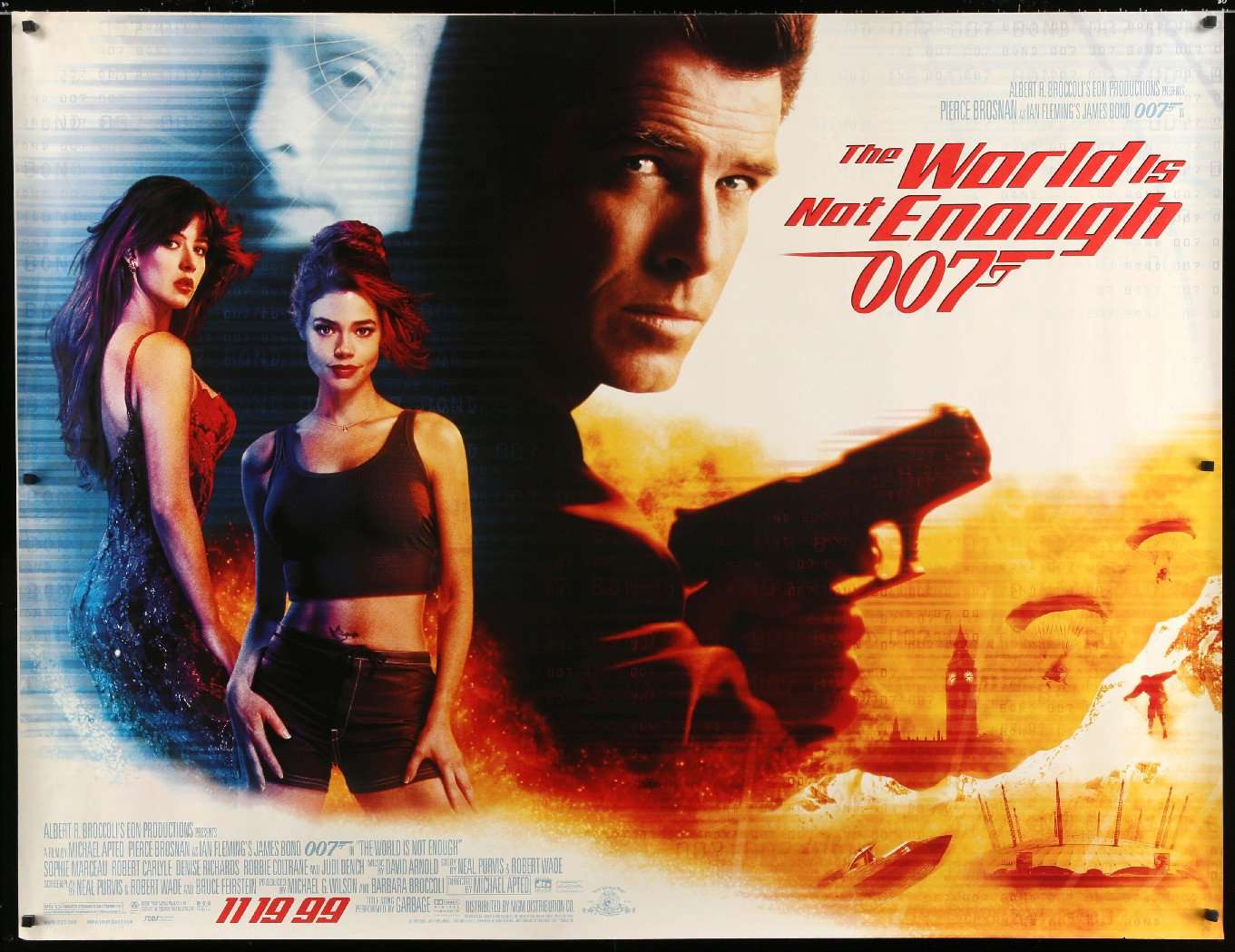
The turning point where Brosnan’s era begins to wobble.
“I kind of admire the boldness of going with Denise Richards as a nuclear scientist.”
There’s respect for individual performances. Sophie Marceau’s villain has depth. Robert Carlyle is physically unsettling. But the tone is already slipping. Emotional ambition clashes with formula and the film never settles on what it wants to be.
Bond is still recognisable here, but the cracks are obvious.
Did You Know?:
Desmond Llewelyn (Q) died in a car accident soon after this movie was released. Llewellyn said just before his death that he was planning to appear in the next Bond movie. The video release was dedicated to Llewelyn, and featured a tribute montage of his appearances in seventeen Bond movies over thirty-six years.
READ LATER: Sydney Sweeney may be the next Bond girl
#5 B-Tier – No Time to Die

This is the most debated entry.
“I kind of respect Craig that he came back to finish the character. “You do feel like he was invested in it.”
The episode respects the ambition. The emotional weight. Craig’s commitment. But there’s tension around whether Bond needed this level of finality. Some moments feel earned. Others feel heavy for the sake of importance.
It’s treated as a serious, thoughtful conclusion, even if not an entirely satisfying one.
Did You Know?:
This is the first James Bond movie to be shot with an IMAX Camera. Previous Bond films exhibited in IMAX theaters were converted by up-scaling to the IMAX format i.e. they were optimized for IMAX theaters. This movie was also filmed with 65mm Panavision cameras.
#4 B-Tier – Tomorrow Never Dies

This one is reassessed very positively by AJ. But GB couldn’t get through it all on the most recent rewatch.
“I think it’s fantastic. I love Elliot Carver. It’s not as good as GoldenEye, but almost just as good.”
Jonathan Pryce’s villain is praised as unnervingly prophetic and also berated as being over the top. Media manipulation, manufactured conflict, and spectacle feel more relevant now than in 1997. Michelle Yeoh’s presence adds credibility and momentum.
It’s described as underrated, not flawless. GB entirely disagrees.
Did You Know?:
Anthony Hopkins was offered the role of villain Elliot Carver in Tomorrow Never Dies, but turned it down to film The Mask of Zorro, leading to Jonathan Pryce being cast instead; while some rumors suggested Hopkins walked off set, the more accepted story is that he declined the role beforehand, though he was in talks for other Bond films too.
#3 A-Tier – Skyfall

This is Craig at his most confident.
“The cinematography there. This is Roger Deakins. It looks incredible.”
The episode praises the craft, performances, and sense of scale, while acknowledging some narrative indulgence. Bond becomes mythic here, for better and worse.
Still, it’s treated as a high point – with great performances by Javier Bardem and the whole cast. AJ especially likes Monica Bellucci…
Did You Know?:
The role of Kincade (Albert Finney) was originally written with Sir Sean Connery in mind. Producers Barbara Broccoli and Michael G. Wilson originally wanted Connery to come out of retirement and make a surprise cameo. Director Sir Sam Mendes told “The Huffington Post”, “There was a definite discussion about (Connery playing Kincade), way, way early on. But I think that’s problematic. Because, to me, it becomes too… it would take you out of the movie. Connery is Bond, and he’s not going to come back as another character. It’s like, he’s been there. So, it was a very brief flirtation with that thought, but it was never going to happen, because I thought it would distract.” (imdb)
DID YOU MISS?: Denis Villeneuve to Direct Bond 26
#2 S-Tier – GoldenEye
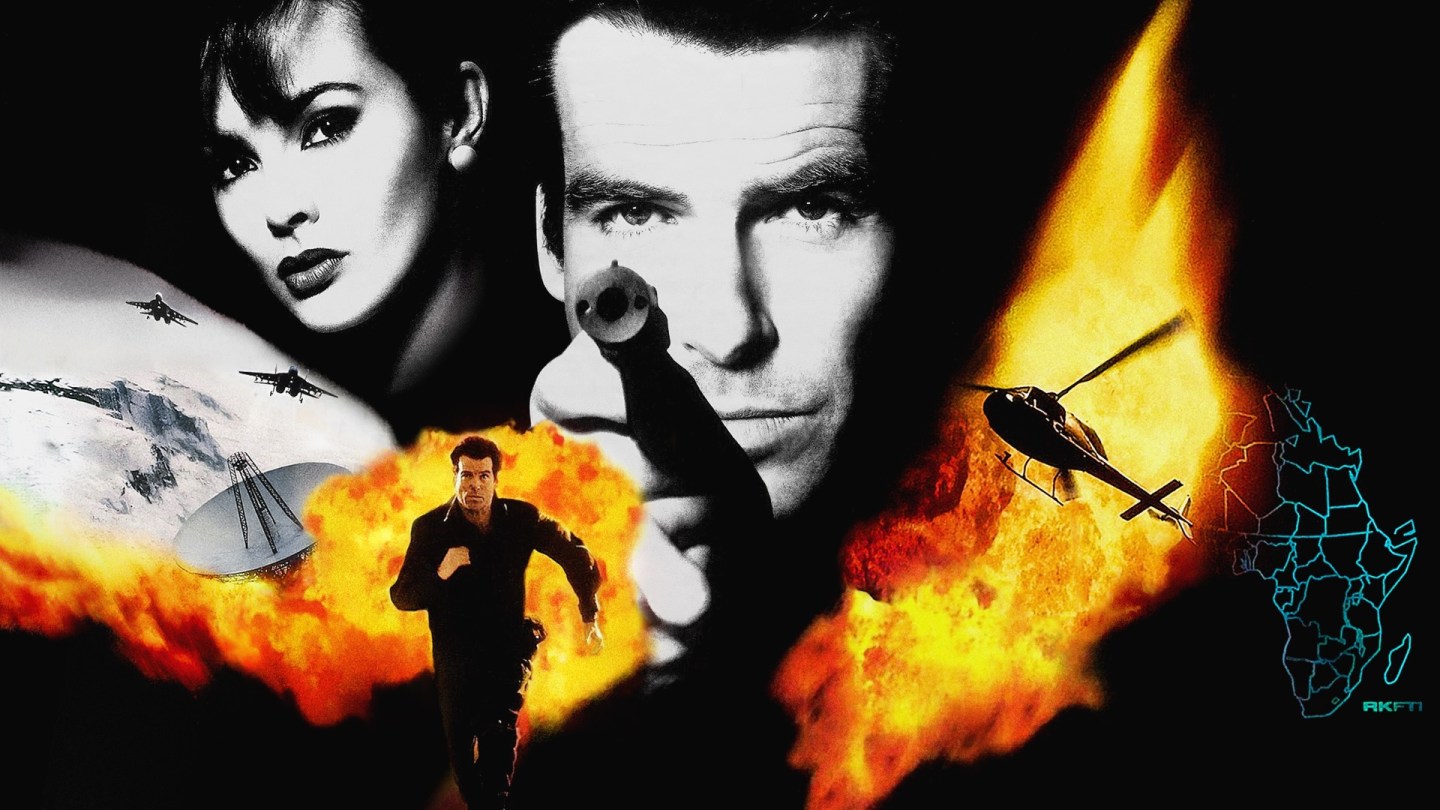
The first Brosnan movie and also the benchmark.
“It’s all downhill from here for Brosnan. He’s a great Bond but he doesn’t get the good movies.”
Even with debate, it’s clear GoldenEye sets the template everything else fails to match. Modern, confident, and perfectly balanced between seriousness and fun. Sean Bean’s villain gives Bond a genuine mirror. There’s some good (and bad) one-liners, great action even if a few bits are over the top and a bit comic book (Alan Cumming).
Did You Know?:
GoldenEye was the first Bond film developed entirely after the Cold War, forcing a complete rethink of the character’s relevance and also the first original movie to not reference any Fleming novel or short story.
#1 S-Tier – Casino Royale
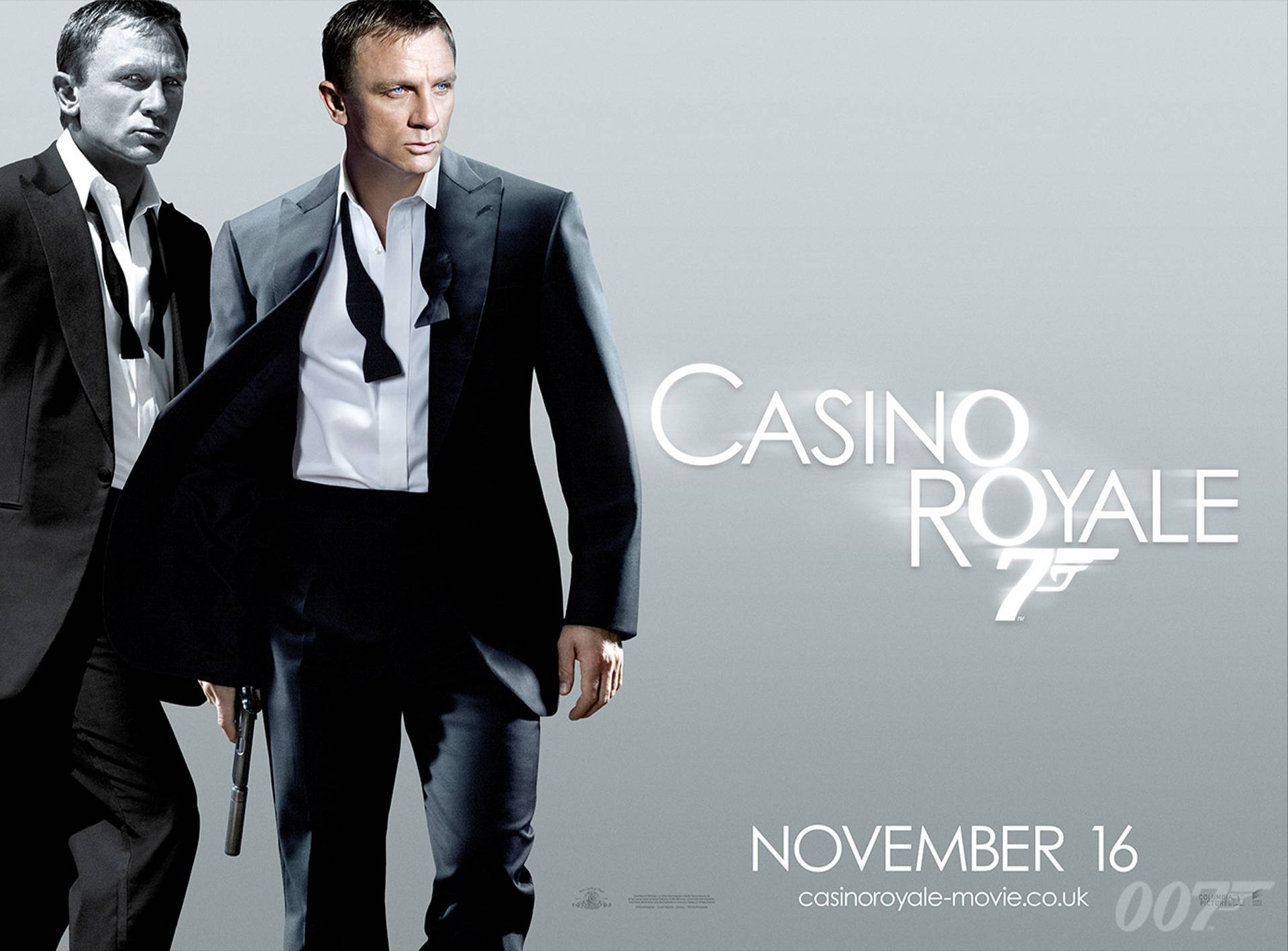
This is the landmark moment when the reset worked.
“It’s really powerful. It was a real gamble. Mads Mikkelsen is just stunning and There’s no overly comical characters.”
Stripped-back, physical, emotional. This is the standard every modern Bond film is judged against. How will the next 007 fare against this bar that has been set?
Did You Know?:
In the shower scene, Vesper (Eva Green) was originally scripted to be wearing nothing but her underwear. Daniel Craig argued that Vesper would not have stopped to take her clothes off, and the scene was changed.
Taken together, these rankings say less about which Bond films are “good” or “bad” and more about how fragile the character becomes when the franchise loses confidence. Across the Brosnan and Craig eras, the strongest entries are the ones that know exactly what version of Bond they’re trying to be. The weakest are the ones that feel reactive, overcorrecting to trends, criticism, or their own success.
Brosnan’s run begins with clarity and ends in excess. Craig’s begins with discipline and ends with emotional weight that sometimes borders on exhaustion. Neither era is consistent, but both reveal the same underlying tension: Bond works best when the films trust the character, not when they apologise for him or attempt to justify his existence.
This ranking isn’t definitive, and it isn’t meant to be. It reflects one conversation, one reassessment, and one moment in time. If Bond has proved anything over the last 25 years, it’s that these arguments never really end. They just get rebooted.
And judging by history, they always will.
READ NEXT: GoldenEye (1995): How Bond Returned Without Asking Permission