

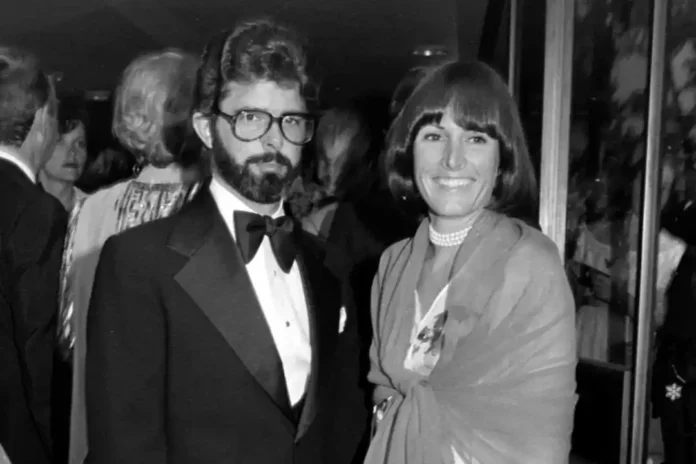

Marcia Lucas, the film editor whose razor-sharp instincts helped shape one of the most important movies ever made, has died at the age of 80.
Lucas was one of three editors – alongside Richard Chew and Paul Hirsch – to receive the Academy Award for Best Film Editing for Star Wars: A New Hope in 1978. It was a victory that recognised not just technical skill, but a genuine creative contribution to a film that changed everything. Those who know the history understand that her influence on that movie ran deep.
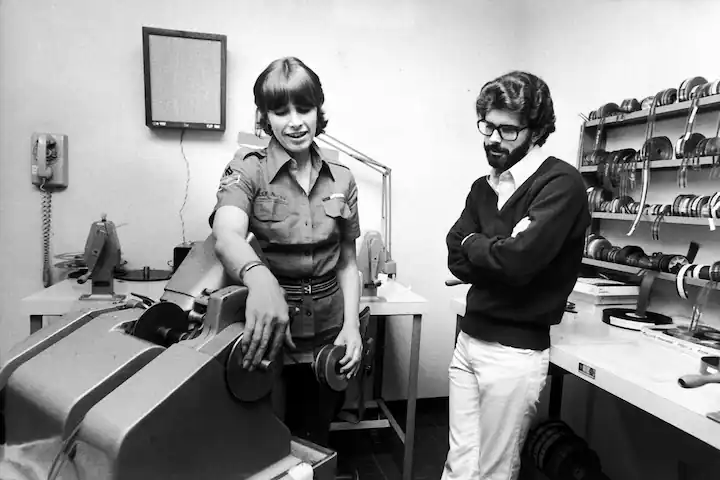
Her career had been building toward that moment for years. After Lucasfilm’s establishment in 1971, she came aboard American Graffiti (1973), working under her mentor Verna Fields in an collaboration that earned the pair an Oscar nomination. She also demonstrated her range away from Lucasfilm, lending her talents to Martin Scorsese on Alice Doesn’t Live Here Anymore (1974) and Taxi Driver (1976) – films that remain cornerstones of 1970s American cinema.
READ NEXT: Holy Sith! Original 1977 Star Wars Theatrical Cut WILL Show In Cinemas
When Star Wars entered a troubled post-production and required what amounted to a near-total editorial restart, Marcia was part of the team brought in to save it. She later moved on to work on Scorsese’s New York, New York (1977), but her contribution to Star Wars was already cemented. The Oscar followed.
She remained a part of the Lucasfilm family for years afterward, contributing to More American Graffiti (1979), The Empire Strikes Back (1980), and Return of the Jedi (1983).
“I love film editing,” she once said, according to StarWars.com. “I have an innate ability to take good material and make it better, and to take bad material and make it fair.” It was a characteristically modest way of describing a talent that was, by any measure, exceptional.
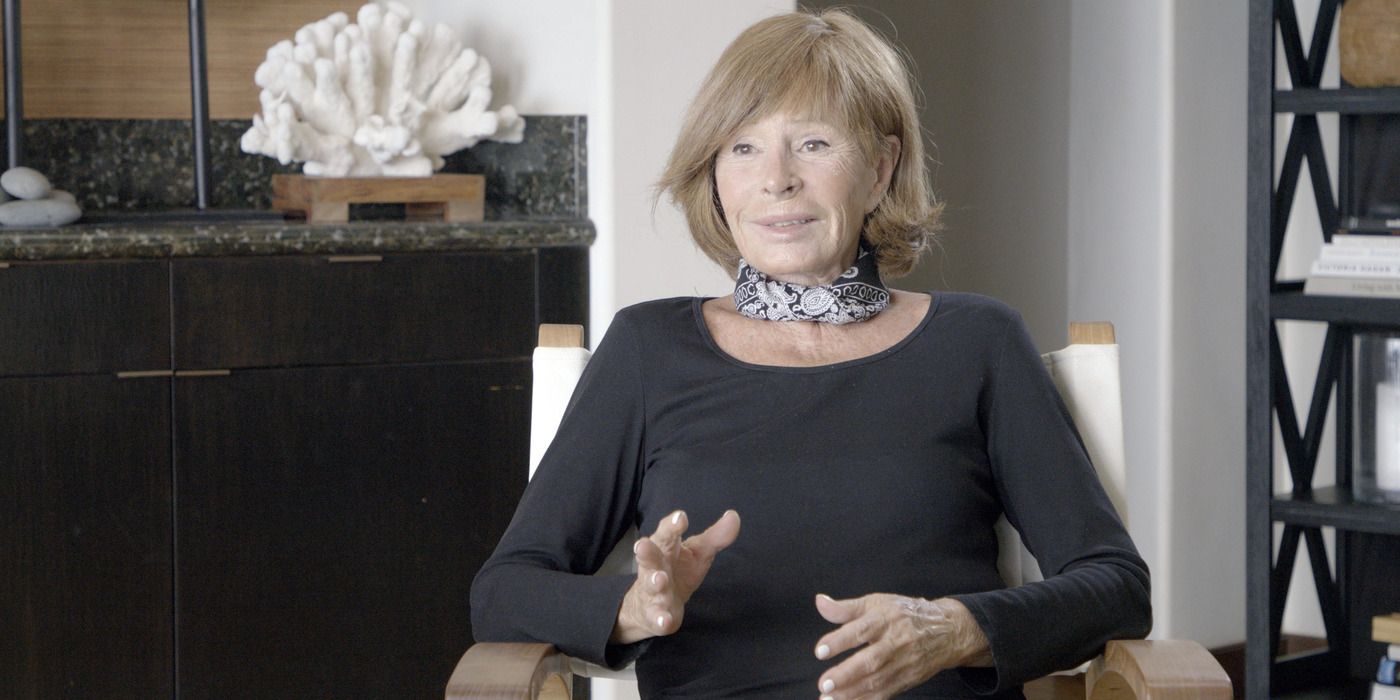
Those who watched her rare appearance in a recent documentary about George Lucas were struck by something that went beyond biography.
READ NEXT: Star Wars greatest poster artist Drew Struzan has died
The documentary was Icons Unearthed: Star Wars, a Vice TV series that premiered in July 2022, which featured her first-ever on-camera interview. Director Brian Volk-Weiss said the conversation was “wrought with emotion,” adding “she was crying, I was crying, I probably cried about a half a dozen times.”
She was clearly still carrying the weight of a complicated history that, for her, had never fully settled. It was quietly heartbreaking to witness, a reminder that behind the awards and the legacy, there is always a very human story.
Marcia Lucas leaves behind a body of work that will be watched, studied, and loved for generations. The films she touched were made better by her presence. That is her legacy – and it is an extraordinary one.
Very sad